
Why Design-Build Beats Piecemeal Hiring a Landscape Installation Company in Midlothian, VA
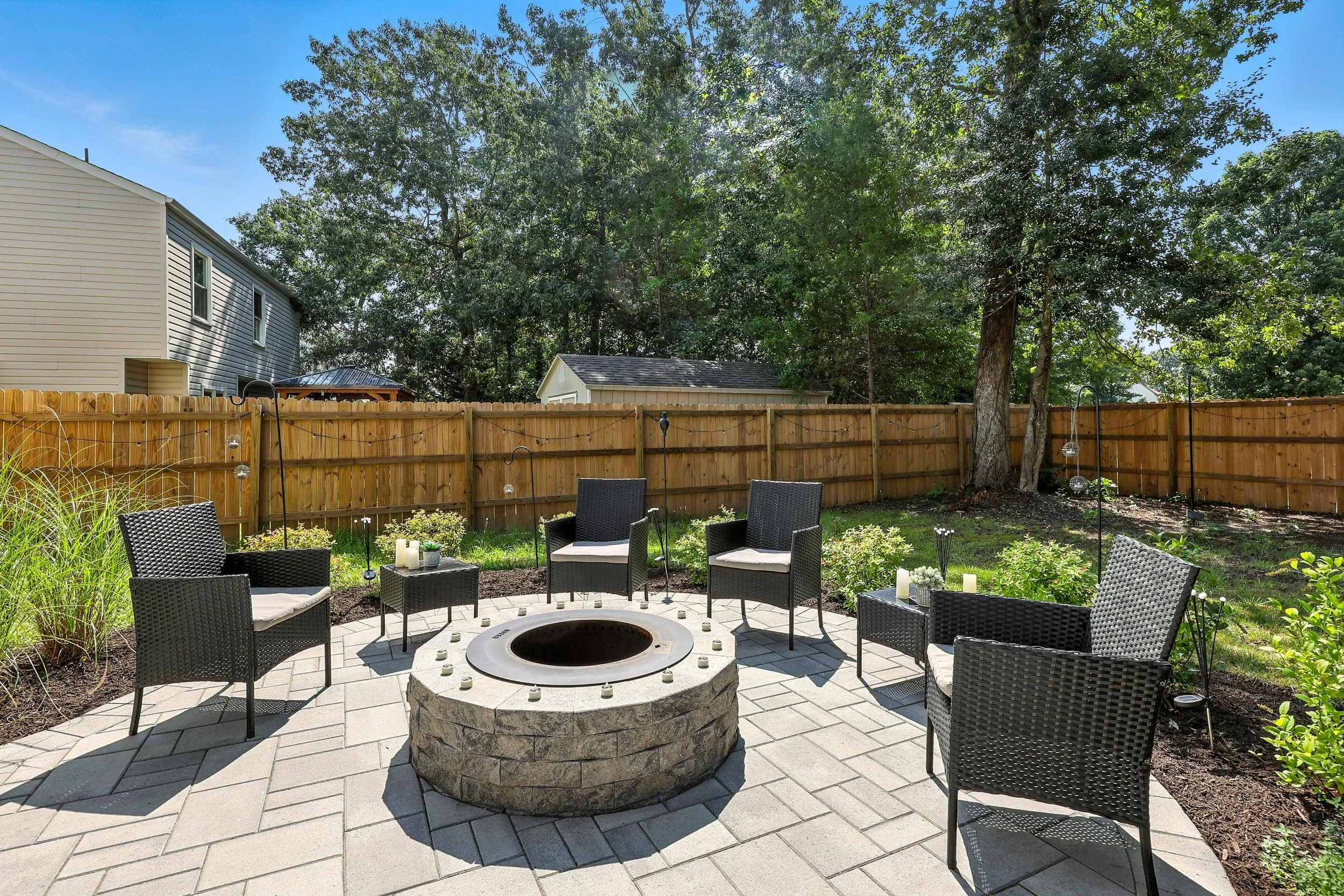
Your Midlothian, VA, backyard has potential. Maybe you can picture a paver patio with a fire feature, an outdoor kitchen tucked against a retaining wall, or a pool deck that ties the whole space together. The vision is clear. The path to get there is where most homeowners run into trouble.
Many people start their landscape project by hiring a designer to draw up plans, then searching separately for a contractor to build them. It sounds logical on paper. In practice, this piecemeal approach creates gaps that show up during construction, long after the plans are finalized and the budget is set.
A design-build landscape installation company removes that gap entirely. One team designs your space and builds it, which means the person drawing your plans understands exactly how those plans will be executed in the ground. Here is what that difference means for your project, and why it matters more than most homeowners realize before they start.
What Does "Design-Build" Mean for a Landscape Installation Company?
Design-build means one company manages your project from the first consultation through the final walkthrough. The same team that creates your design also handles excavation, grading, drainage, and construction. There is no separate contract with a separate business, no handoff between two companies that have never worked together, and no gap where your vision gets lost in translation.
One Team, One Continuous Process
Commonwealth Curb Appeal operates as a full design-build company for homeowners throughout Midlothian, VA. Our tech-driven design process produces detailed renderings so you can see your finished space before construction begins, and the same team responsible for that design is the team responsible for building it.
That continuity is the core advantage of design-build, and it is the reason more homeowners are moving away from the traditional split between designer and contractor.
Why the Traditional Model Falls Short
Traditional landscape design historically separated these roles. A landscape architect or designer created plans, then handed them to a construction crew to execute. This model can work when the designer and contractor communicate constantly and understand each other's constraints.
More often, it introduces friction at exactly the moment homeowners can least afford it: mid-project, when changes are expensive and timelines are already tight.
Where Complexity Makes the Difference
This distinction matters most on projects that combine several features into one connected space. A patio alone is a relatively contained project.
A patio that ties into a retaining wall, feeds into an outdoor kitchen, and wraps around a fire feature requires coordination between every element, at every stage, from the first grading decision to the last paver set in place.
Design-build exists specifically to manage that kind of complexity without losing the thread between design intent and finished construction.
What Goes Wrong When You Hire a Designer and a Contractor Separately?
Piecemeal hiring creates several recurring problems, and homeowners in Midlothian and across Central Virginia run into them regularly.
Designs That Are Difficult to Build as Drawn
A designer working without hands-on construction experience may specify a retaining wall height, a drainage slope, or a paver pattern that a contractor later has to modify once they encounter your property's actual grading, soil, or drainage conditions.
Central Virginia's clay-heavy soil and seasonal rainfall patterns make this especially common. When that happens, you are the one caught in the middle, waiting on two companies to sort out who is responsible for the revision.
Timeline Drift Between Handoffs
When a designer finishes their plans and hands off to a contractor, that contractor still needs to review the site, confirm the design is buildable, and schedule their own crew. Every handoff adds time.
If the contractor identifies a problem with the design, the project goes back to the designer for revisions, and the clock resets again. A design-build company does not need this back-and-forth because the same team that draws the plan is the team that builds it.
Unclear Accountability
When something is not built the way it was designed, a separated designer and contractor can each point to the other. You are left without a clear answer, and often without a clear path to resolution.
With one company handling both design and construction, there is only one team to answer to, and that team stands behind the full result, not just their portion of it.
Scheduling Conflicts Between Two Businesses
A designer works on their own calendar. A contractor works on theirs. Coordinating a project kickoff, a mid-project design change, or a final walkthrough between two independent schedules adds friction that has nothing to do with the quality of either company's work.
Central Virginia's weather adds another layer: rain delays, seasonal soil conditions, and the timing of hardscape curing all affect when certain phases of a project can move forward.
Design-build removes this friction because scheduling happens inside a single company with a single project calendar, managed by the same people who understand how weather and soil affect their own construction sequence.
Material Mismatches on Multi-Feature Projects
A designer choosing pavers, stone, and structural elements without direct construction experience may specify materials that look cohesive on a rendering but behave differently once installed side by side, expanding, settling, or wearing at different rates.
A contractor discovering this mismatch mid-build has to either flag it back to the designer or make a judgment call on-site without design authority. A design-build team avoids this entirely because material selection and construction happen inside the same decision-making process.
How Does Our Design-Build Team Keep Your Project on Track?
A design-build landscape installation company keeps your Midlothian project moving because every decision happens inside one continuous process instead of across two disconnected companies.
Construction Realities Get Addressed During Design
During the design phase, the same people who will eventually break ground are already thinking through how your patio, retaining wall, or outdoor kitchen will actually get built.
That means grading, drainage, material selection, and structural requirements get addressed while the design is still on the table, not after a contractor discovers a problem mid-construction. Renderings reflect what can genuinely be built on your property, not an idealized version that has to be reworked once construction starts.
One Point of Contact, Faster Answers
This continuity also means faster communication. You are working with one point of contact throughout your project rather than juggling separate conversations with a designer and a contractor.
Questions get answered by people who already know every detail of your design, because they created it.
Fewer Surprises Once Crews Are On-Site
Because the designer and the builder are the same team, decisions made in the field tie back to the original design intent instead of a separate crew's best guess at what the drawings meant.
Your project stays true to the vision you approved, even as small on-site realities get worked out along the way.
Straightforward Progress Tracking
With one company managing your entire project, you receive updates from a team that has visibility into every phase, from excavation through final planting or paver placement, rather than status reports filtered through two separate businesses that only share partial information with each other.
You always know exactly where your project stands, because the people telling you are the people doing the work.
Related: Transform Your Backyard With Landscape Design in Henrico, VA, and Elevate Every Weekend BBQ
What Happens When One Team Handles Both Design and Construction?
When design and construction stay under one roof, the benefits show up in ways that go beyond a smoother process.
Your Space Gets Designed Holistically
A paver patio, fire feature, retaining wall, and outdoor kitchen are not treated as separate add-ons, they are planned together from the start so the finished space flows as one cohesive environment rather than a collection of disconnected features.
This is one of the clearest advantages of a design-build approach: the team designing your fire feature already knows exactly how it will connect to your paver patio, because they are building both.
Warranty Coverage Becomes Simpler
When one company handles the entire project, a single warranty covers the work as a whole.
Commonwealth Curb Appeal backs every project with a five-year warranty, and because our team designs and builds every element, that warranty applies to the complete outdoor living space, not just isolated pieces.
Material and Craftsmanship Decisions Stay Consistent
A design-build team selects pavers, stone, and structural materials with full knowledge of how those materials will be installed and how they perform through Central Virginia's humid summers and freezing winters.
The team choosing your paver color and pattern is the same team responsible for setting those pavers correctly.
Less Project Management Falls on You
With piecemeal hiring, you often become the go-between, relaying updates from the designer to the contractor and back again. With design-build, that burden shifts entirely to the company you hired.

How Do You Know a Landscape Installation Company in Midlothian Can Handle the Whole Project?
A few signs point to a company that genuinely manages design and construction as one process, rather than outsourcing one half of the work.
1. Ask for Renderings Before Construction Begins
Look for a company that shows you detailed renderings before construction begins. Ask whether the same team members involved in your design consultation will also be present during construction.
If the answer is no, you may be looking at a company that markets itself as design-build but still separates the two functions internally.
2. Ask How They Handle Changes Mid-Project
Ask how the company handles changes once construction is underway. A true design-build team can adjust in real time because the designer and builder are the same people, working from the same plan, with full authority to make decisions on-site.
3. Notice How They Talk About Your Project
Pay attention to how the company talks about your project during the initial consultation. A design-build team asks questions about how you plan to use the space and how different features will work together, because they know they are responsible for building all of it.
4. Look at the Completed Work
A design-build company with a strong portfolio across custom paver patios, poolscapes, outdoor kitchens, retaining walls, and fire features throughout Midlothian and the greater Richmond area has proven it can execute complex, multi-feature projects without the gaps that piecemeal hiring introduces.
Ask to see examples of projects similar in scope to what you are planning, and ask whether the same team handled both the design and the construction on those projects, not just one half of the work.
5. Ask What Happens If?
One more question worth asking directly: what happens if you want to make a change once you see your space taking shape? A design-build company can usually answer this without hesitation, because the same team holding your design vision is standing on-site with the authority to adjust it.
A company that has to "check with the designer" before responding is telling you, indirectly, that it is not operating as a true design-build team.
Start Your Design-Build Project With Commonwealth Curb Appeal
If you're planning a backyard transformation in Midlothian, VA, working with a single landscape installation company for both design and construction protects your vision from the first sketch through the final detail.
Commonwealth Curb Appeal's design-build approach means the team that designs your landscape design is the same team building it, with detailed renderings, frequent communication, and a five-year warranty behind the finished result.
From the first conversation, our team walks you through what a design-build partnership looks like for your specific property, your goals, and the features you have in mind. You will see detailed renderings before a single shovel goes into the ground, and you will work with the same people from concept through completion.
No project in Midlothian is too small or too large for this approach. Whether you are planning a single paver patio or a full outdoor living space with a fire feature, retaining wall, and outdoor kitchen woven together, one design-build team keeps every piece connected, on schedule, and true to the vision you approved.
Contact Commonwealth Curb Appeal today to schedule a consultation and see how one continuous design-build process can bring your outdoor living vision to life.
With one lawn mower and a lot of determination, Josh Goff started Commonwealth Curb Appeal in 2004 as a way to make a living while spending time in the great outdoors.
In 2007, he traded the lawn mower for masonry and carpentry skills and began building outdoor living spaces. By 2015, he was named among the Top 40 Under 40. Over the years, the company has grown into the full-service landscape design and build firm it is today.